

🍒 What Is Cascara? The Coffee Cherry Fruit, Explained
Blog title: What Is Cascara? The Coffee Cherry Fruit and the Rise of Upcycled Coffee
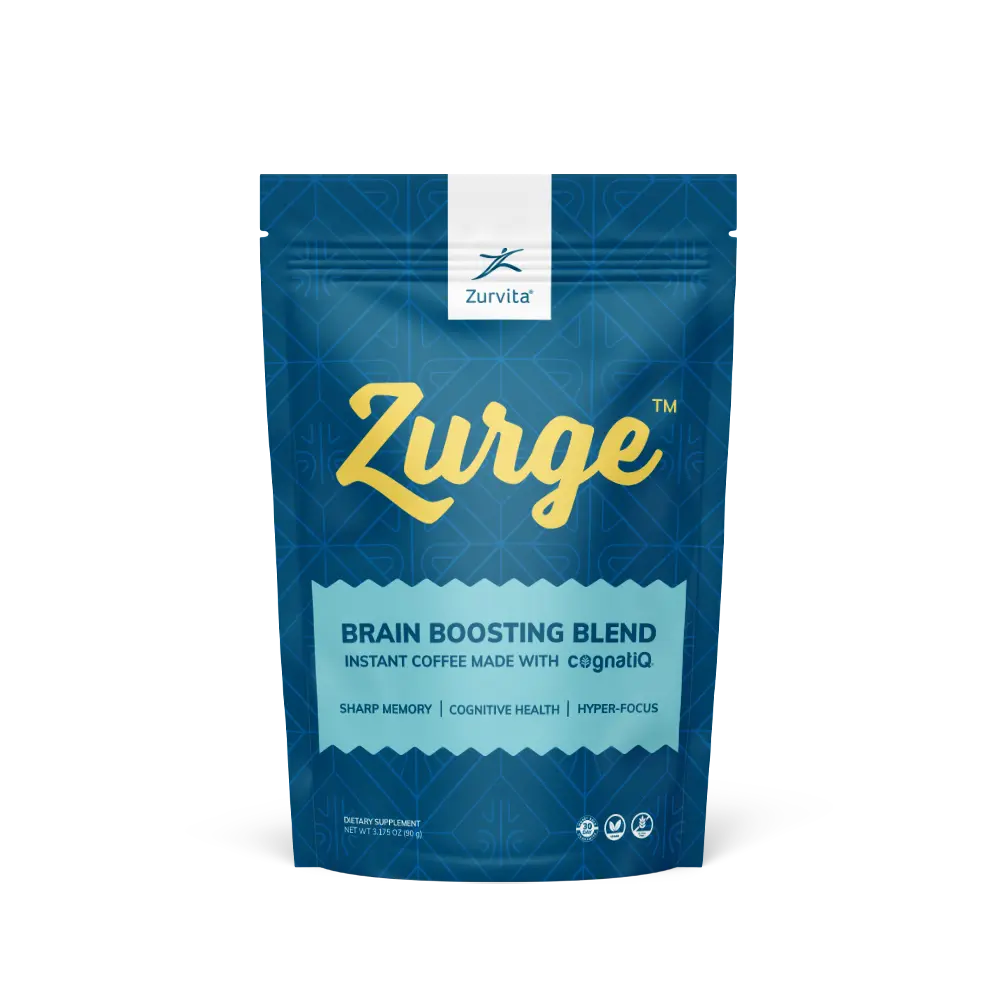
Most people have drunk coffee their whole lives without ever seeing the fruit the bean grows inside. That fruit is called cascara, and it is having a moment as an upcycled ingredient. If you have seen “cascara” or “Coffeeberry” on a label and wondered what it is, this guide explains the coffee cherry in plain language, using the functional coffee blend Zurvita Zurge as a worked example. This is an ingredient and flavor explainer, and no health claims are made for these ingredients here.
⚡ The Short Answer
Cascara is the dried fruit, the skin and pulp, that surrounds a coffee bean. The coffee bean is technically a seed inside a small red fruit called a coffee cherry. Traditionally the fruit was discarded and only the bean used. Cascara puts that fruit back to use, and it carries a naturally sweet, subtly fruity character.
☕ Coffee Is a Fruit: The Anatomy
The small fruit that grows on a coffee plant. It turns red when ripe.
The seed inside the cherry. This is what gets roasted into the coffee you know.
The fruit skin and pulp around the bean. Dried, this becomes cascara.
Historically the fruit was discarded once the bean was removed.
♻️ What “Upcycled Coffee” Means
Upcycling means taking something that would normally be thrown away and turning it into a usable product. With coffee, the cherry fruit is usually a byproduct of harvesting the bean. Using cascara puts that fruit to work instead of wasting it. It is a sustainability idea as much as a flavor one. This describes the sourcing approach, not an effect on the body.
🍮 What Cascara Tastes Like
Cascara has a naturally sweet, fruity character often described as caramel-like or reminiscent of dried fruit. In Zurvita Zurge, the Coffeeberry cascara adds a subtle caramel-like sweetness to a 100% Colombian coffee and espresso base. That is a flavor contribution, described factually.
🧪 The Other Ingredients in Zurge
Zurge is a functional coffee blend, meaning a coffee with additional named ingredients folded in. Described factually, all included as part of the overall formulation:
A 100% Colombian coffee and espresso blend. This is what makes it a coffee, and the source of its caffeine.
A patented botanical extract from Coffea arabica coffee cherries, created by upcycling the coffee fruit. Included as part of the blend.
A functional mushroom (Hericium erinaceus), included as part of the formulation.
A whole-food ingredient that naturally contains a range of nutrients. The flagship ingredient across the Zeal line.
🍄 A Note on Lion’s Mane and CognatiQ
Lion’s Mane is a functional mushroom used in many modern nutritional routines, and CognatiQ is a patented coffee-fruit extract. Here both are described purely by what they are and where they come from, as ingredients in the blend. “Patented” means the ingredient has a defined, documented specification rather than a generic label. No effect claim is attached to either in this guide.
☕ How to Enjoy It
An instant blend, so it slots into the cup you already make. 30 servings per pack.
Enjoy it on its own or stirred into a smoothie or other beverage.
A rich Colombian base with a subtle caramel-like sweetness from the cascara.
It is made with coffee, so it contains caffeine. Individual sensitivity varies.
🔄 Other Products in the Range
The functional coffee blend.
The superfood nutritional foundation with rice bran.
An Actazin kiwifruit and fiber tablet.
Browse everything on the official Zinzino site.
❓ Frequently Asked Questions
What is cascara?
The dried fruit, the skin and pulp, that surrounds a coffee bean. The bean is a seed inside a small red fruit called a coffee cherry, and cascara is that fruit put to use rather than discarded.
What does cascara taste like?
Naturally sweet and fruity, often described as caramel-like or similar to dried fruit. In Zurge it adds a subtle caramel-like sweetness.
What is upcycled coffee?
Using the coffee fruit that is normally discarded when harvesting the bean, turning a byproduct into a usable ingredient. It is a sustainability approach.
What is CognatiQ?
A patented botanical extract from Coffea arabica coffee cherries, created by upcycling the coffee fruit. It is a featured ingredient in the Zurge blend.
Does Zurge contain caffeine?
Yes. It is made with a 100% Colombian coffee and espresso blend, so it contains caffeine. Individual sensitivity varies.
How do I prepare it?
It is an instant coffee blend. Enjoy it on its own or mixed into a smoothie or other beverage, following the product label.
⚠️ Safety Notes
Contains caffeine; individual sensitivity varies, and take care with total daily caffeine from all sources. For adults 18 and over. Keep out of reach of children. Consult a healthcare professional before use if you are pregnant, nursing or managing a health condition. A food supplement is not a substitute for a varied, balanced diet and a healthy lifestyle.
🔎 SEO Keywords Covered
what is cascara, coffee cherry fruit, coffee fruit tea, cascara coffee, upcycled coffee, Coffeeberry cascara, functional coffee blend, Lion’s Mane coffee, stabilized rice bran coffee, Zurvita Zurge.
*These statements have not been evaluated by the Food and Drug Administration. This product is not intended to diagnose, treat, cure or prevent any disease. Individual results vary from person to person and depend on diet, exercise, hydration, sleep and other lifestyle habits. This product contains caffeine and is for adults 18 and over. A food supplement is not a substitute for a varied, balanced diet and a healthy lifestyle. Consult a physician before use if you are pregnant, nursing or managing a medical condition.